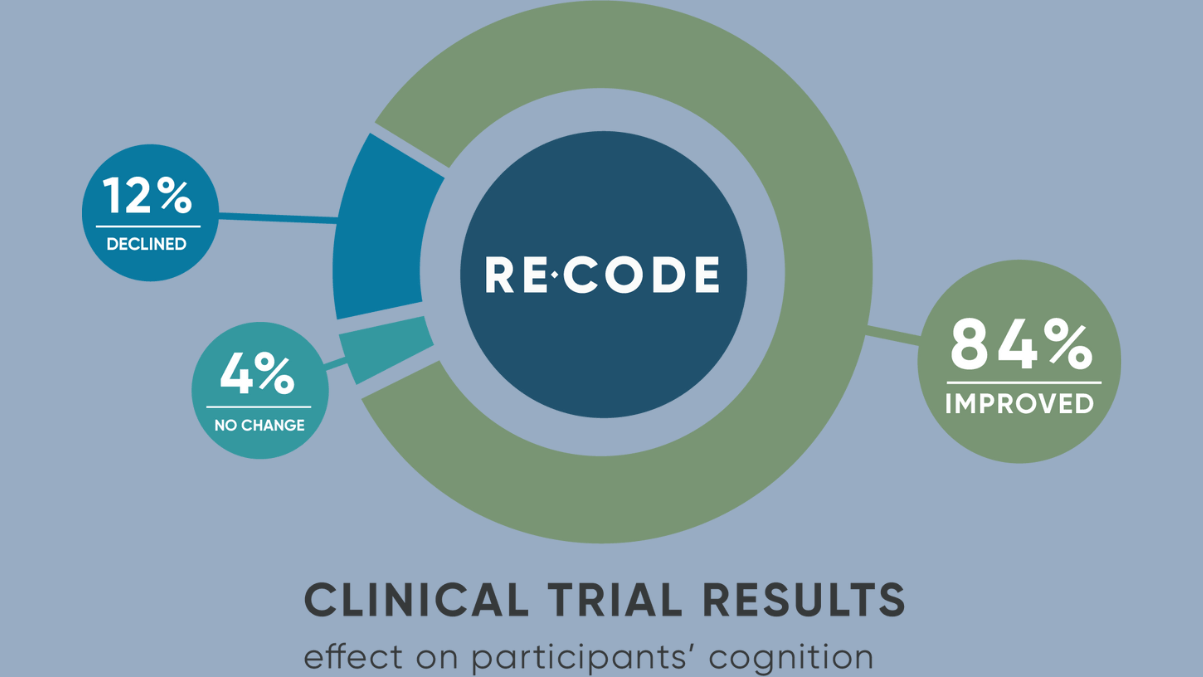
84% Success Rate: How We Reverse Cognitive Decline in Sarasota
The Carroll Institute achieves 84% success reversing cognitive decline in Sarasota. Dr. Glenn explains the proven methods behind these remarkable results.


The Carroll Institute achieves 84% success reversing cognitive decline in Sarasota. Dr. Glenn explains the proven methods behind these remarkable results.
Why Post-COVID Brain Fog Mimics Early Alzheimer's Disease Last updated: October 2025 Many people recovering from COVID-19 are facing a new challenge—persistent brain fog. After the virus passes, symptoms like…
When “Brain Fog” Doesn’t Go Away: Understanding Post-COVID Cognitive Decline Last updated: October 2025 For many people, COVID-19 was supposed to be a temporary illness. However, for millions, the fog…
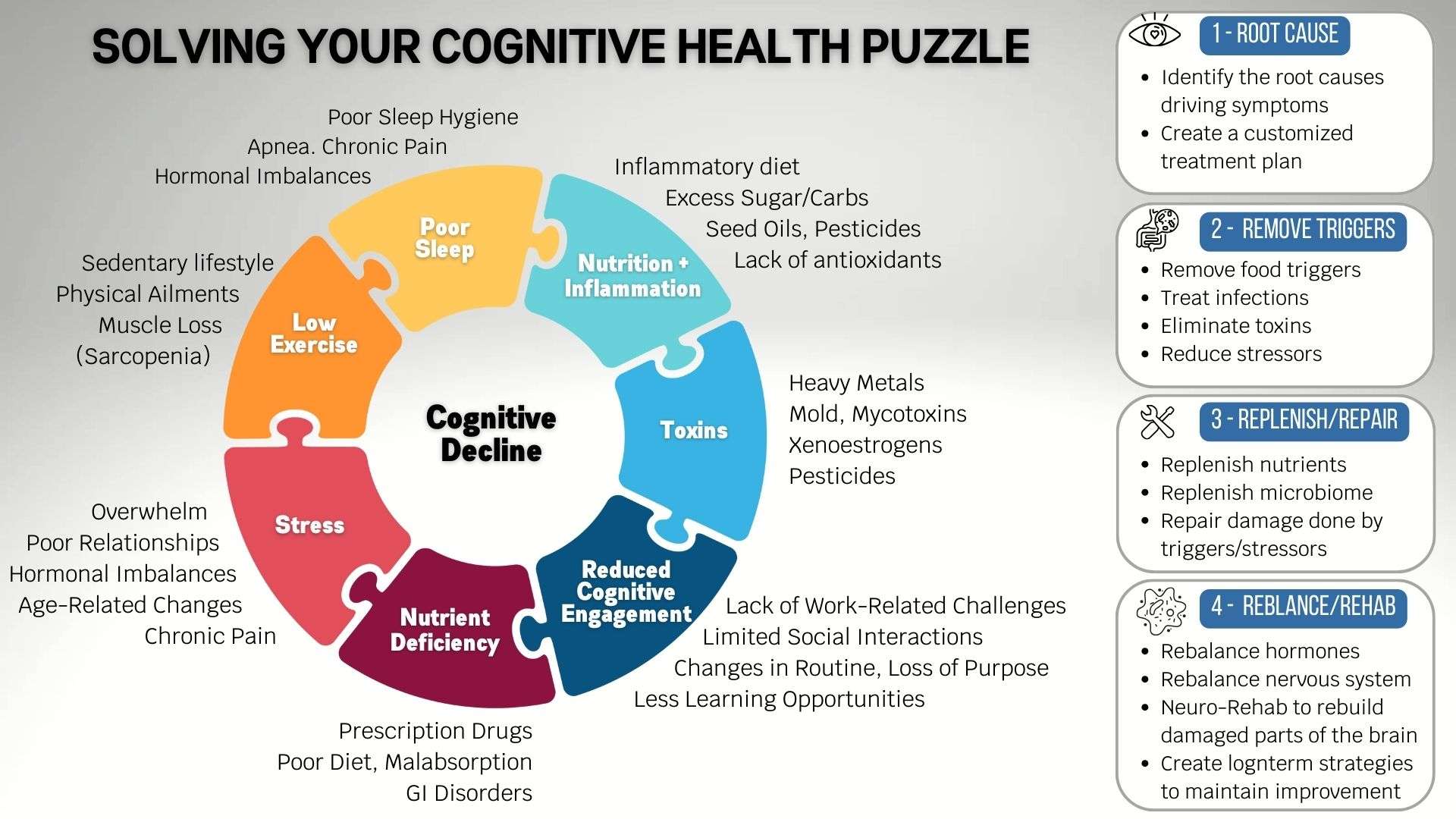
Last Updated: October 2025 A Breakthrough Approach to Reversing Cognitive Decline For decades, Alzheimer’s disease was considered irreversible. Patients were told to manage symptoms and “hope for the best.” However,…
Last Updated: October 2025 When patients begin noticing brain fog, forgetfulness, or difficulty focusing, they often receive vague answers like “it’s just aging.” Unfortunately, traditional testing methods rarely uncover the…
Last Updated: October 2025 Most people are surprised to learn that the health of their gut directly affects their brain. In fact, nearly 90% of the body’s serotonin—the neurotransmitter responsible…
Last Updated: October 2025 A concussion or traumatic brain injury (TBI) can change everything in a single moment. Even a so-called “mild” injury can leave you struggling with headaches, dizziness,…

Hormone imbalances cause memory loss in men and women. Dr. Glenn explains thyroid, sex hormones, and cortisol effects on brain health in Sarasota.
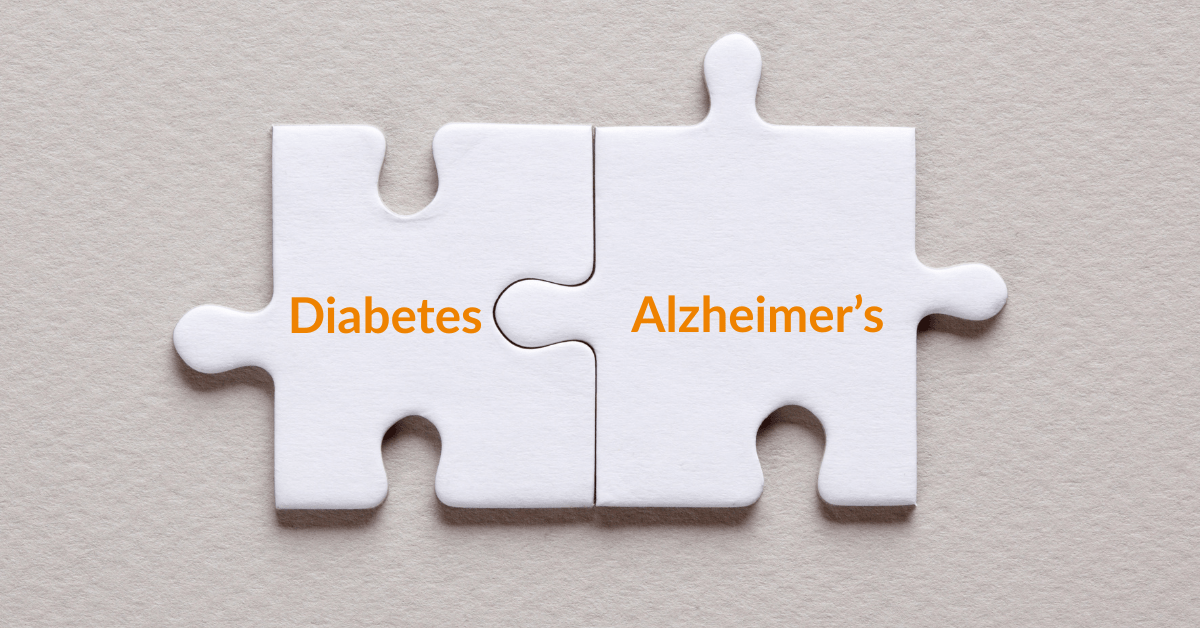
Blood sugar problems cause memory loss and cognitive decline. Dr. Glenn explains how diabetes and pre-diabetes damage the brain in Sarasota patients.
Can Alzheimer’s Disease Be Prevented? Last Updated: October 2025 Yes — Alzheimer’s can be prevented, even with family history or genetic risk (e.g., APOE4). Prevention starts by identifying and correcting…