
Dale Bredesen recode program
Functional Neurology in Sarasota for Cognitive Decline, Memory Loss and Alzheimer's Disease
Why Functional Neurology Succeeds Where Traditional Neurology Fails
At The Carroll Institute, we incorporate Functional Neurology into our approach to cognitive decline, memory loss, mild cognitive impairment (MCI), brain fog, and patients diagnosed with Alzheimer’s disease.
At The Carroll Institute, we combine Functional Neurology with precision medicine, advanced laboratory testing, neuroplasticity-based rehabilitation, and individualized cognitive exercises to identify potential contributors to cognitive decline and areas of neurological function that may benefit from targeted rehabilitation.
Rather than simply managing symptoms, our goal is to restore brain function, improve cognition, and help patients regain independence and quality of life.
Dale Bredesen recode program
THE FUNDAMENTAL DIFFERENCE
Diagnosis vs. Restoration
Traditional Neurology Approach:
- Neurologists diagnose cognitive decline through symptom observation
- They prescribe medications that only slow progression
- Doctors monitor decline with periodic testing
- They offer no rehabilitation or restoration methods
- Traditional neurology focuses on managing symptoms
Functional Neurology Approach:
- Specialists map specific brain dysfunction patterns
- They identify which neural pathways are damaged
- Practitioners create custom rehabilitation exercises to rebuild connections
- They address root causes affecting brain function
- Functional neurologists restore optimal brain performance through targeted interventions
HOW FUNCTIONAL NEUROLOGY REVERSES COGNITIVE DECLINE
Rebuilding Your Brain’s Lost Connections
Brain Mapping and Assessment:
Functional neurologists use specialized testing to map your brain’s current function:
- They identify which brain regions aren’t working properly
- Specialists determine which neural pathways have been damaged
- They assess the severity of dysfunction in different areas
- Practitioners create a roadmap for targeted rehabilitation
Neuroplasticity: Your Brain’s Ability to Heal:
The brain can form new connections and rebuild damaged pathways throughout life. Furthermore, functional neurology harnesses this neuroplasticity through:
- Specific exercises that stimulate damaged brain regions
- Targeted activities that promote new neural connections
- Progressive challenges that strengthen weakened pathways
- Customized protocols based on individual dysfunction patterns
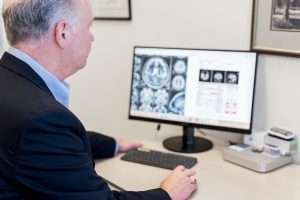
THE CARROLL INSTITUTE APPROACH
We develop individualized neurological exercises and cognitive drills based on each patient’s examination findings, cognitive testing, and identified areas of neurological dysfunction.
THE BRAIN REGIONS WE REHABILITATE
Targeting Specific Areas for Maximum Recovery
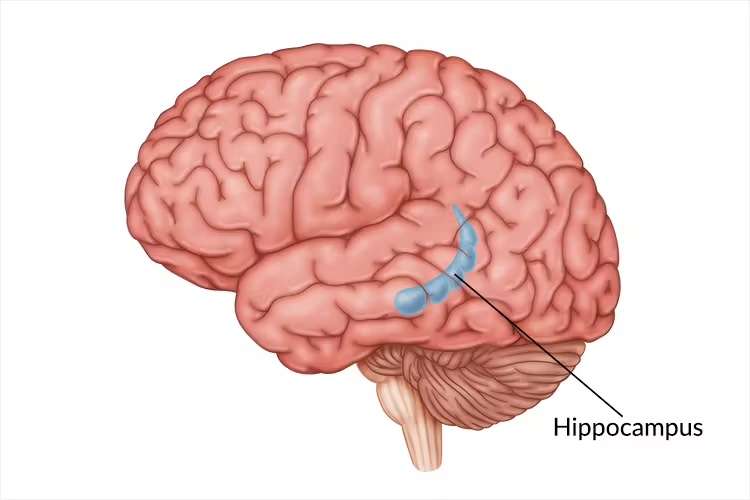
Hippocampus (Memory Center):
- Specialists design custom exercises to improve memory formation
- They develop spatial navigation training protocols
- Practitioners create memory consolidation techniques
- They implement new learning protocols
Prefrontal Cortex (Executive Function):
- Experts design problem-solving exercises
- They create attention and focus training programs
- Specialists develop decision-making rehabilitation
- They implement planning and organization skills training
Temporal Lobes (Language and Processing):
- Practitioners create word-finding exercises
- They develop language comprehension training
- Specialists design auditory processing improvement protocols
- They implement communication skill restoration programs
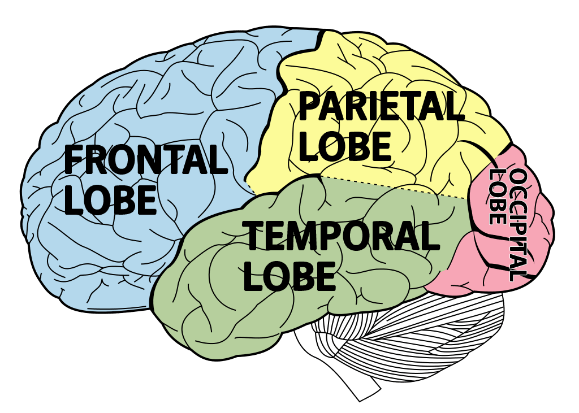
Parietal Lobes (Spatial Processing):
- Experts design visual-spatial exercises
- They create coordination and balance training
- Specialists develop sensory integration protocols
- They implement spatial awareness rehabilitation
Each patient receives exercises specifically designed for their pattern of brain dysfunction.
SPECIALIZED TRAINING IN FUNCTIONAL NEUROLOGY
The Training Gap That Limits Recovery
Medical School Limitations:
Traditional neurology training focuses on:
- Disease diagnosis and classification
- Pharmaceutical interventions
- Surgical procedures when appropriate
- Symptom monitoring and management
What’s Missing from Traditional Training:
- Brain rehabilitation techniques
- Neuroplasticity principles and application
- Functional assessment methods
- Custom exercise development
- Root cause analysis and treatment
Functional Neurology Requires Specialized Training:
- Years of additional study beyond medical school
- Certification in brain rehabilitation techniques
- Understanding of neuroplasticity and recovery
- Training in custom exercise development
- Integration with functional medicine principles
Dr. Glenn brings more than 40 years of clinical experience, including decades of postgraduate study and clinical application of Functional Neurology, along with advanced Functional Medicine training and ReCODE certification.
REAL PATIENT TRANSFORMATIONS

Case Study: Elizabeth H., Age 68
Traditional neurology diagnosis: “Mild Alzheimer’s – nothing can be done”
Functional neurology findings: Severe hippocampal dysfunction, damaged memory pathways
Custom rehabilitation: Memory formation exercises, spatial navigation training, attention protocols
Results: MoCA score improved from 18 to 26, returned to managing finances independently

Case Study: Michael T., Age 65
Traditional neurology diagnosis: “Progressive cognitive decline”
Functional neurology findings: Left temporal lobe dysfunction, language processing problems
Custom rehabilitation: Word-finding exercises, language comprehension training, communication protocols
Results: Severe word-finding problems resolved, returned to part-time consulting work

Case Study: Lori M., Age 74
Traditional neurology diagnosis: “Untreatable dementia”
Functional neurology findings: Prefrontal cortex dysfunction, executive function impairment
Custom rehabilitation: Problem-solving exercises, attention training, planning skill restoration
Results: Family says she’s “back to her old self,” returned to volunteer leadership roles
The Precision Medicine approach to treating cognitve decline sees a better than 90% success rate. This is possible when you remove what’s damaging the brain and then actively rebuild what’s been lost.
THE FUNCTIONAL NEUROLOGY ASSESSMENT PROCESS
Mapping Your Brain’s Unique Dysfunction Pattern
Comprehensive Evaluation Includes:
Cognitive Function Testing:
- Detailed memory assessment across multiple domains
- Executive function evaluation
- Attention and processing speed testing
- Language and communication assessment
Neurological Examination:
- Cranial nerve function testing
- Cerebellar function assessment
- Balance and coordination evaluation
- Sensory system integration testing
Neurological Function Assessment:
- Identification of specific dysfunction patterns
- Correlation with symptoms and complaints
- Severity assessment for each affected region
- Priority ranking for rehabilitation focus
Custom Exercise Development:
- Exercises targeting your specific deficits
- Progressive difficulty levels
- Home and office-based protocols
- Regular reassessment and adjustment
No two patients receive the same rehabilitation program because no two brains have identical dysfunction patterns.
Dale Bredesen recode program
INTEGRATING FUNCTIONAL NEUROLOGY WITH PRECISION MEDICINE
A Comprehensive, Individualized Approach to Cognitive Health
Why Combining These Approaches is Revolutionary
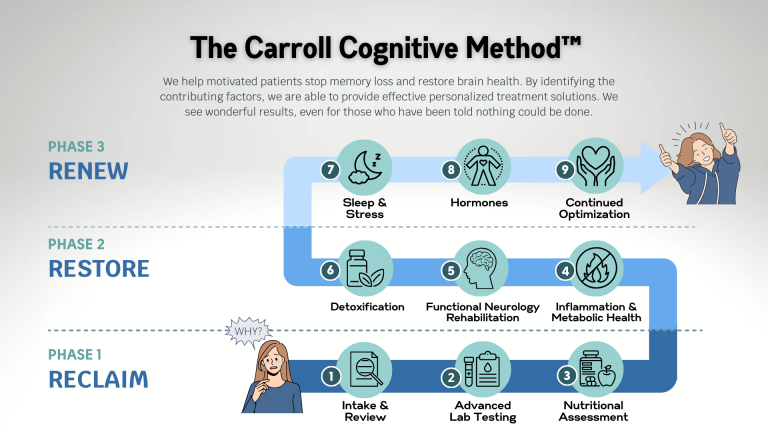
Precision Medicine Helps Identify and Address Potential Contributors:
- Removes toxins damaging brain cells
- Reduces inflammation destroying neural connections
- Optimizes hormones supporting brain function
- Corrects metabolic problems affecting brain energy
Functional Neurology Rebuilds Brain Function:
- Maps specific areas of brain dysfunction
- Creates custom exercises to rebuild damaged pathways
- Stimulates neuroplasticity for new connection formation
- Restores optimal brain performance through targeted rehabilitation.
Together, They Achieve What Neither Can Alone:
- Elimination of damage-causing factors
- Active rebuilding of lost brain function
- Restoration of cognitive abilities thought to be permanently lost
- Long-term maintenance of cognitive improvements
THE NEUROPLASTICITY ADVANTAGE
Your Brain’s Remarkable Ability to Heal and Rebuild
Neuroplasticity Principles:
The brain can form new neural connections throughout life when given proper stimulation:
- Damaged pathways can be bypassed through new connections
- Healthy brain regions can take over damaged functions
- Targeted exercises promote specific neural growth
- Consistent stimulation strengthens new pathways
Functional Neurology Harnesses Neuroplasticity:
- Specific exercises stimulate desired brain regions
- Progressive challenges promote continued growth
- Targeted activities strengthen weakened connections
- Custom protocols maximize individual recovery potential
Age is Not a Barrier:
Neuroplasticity continues throughout life. We’ve seen remarkable improvements in patients in their 70s and 80s when proper functional neurology protocols are applied
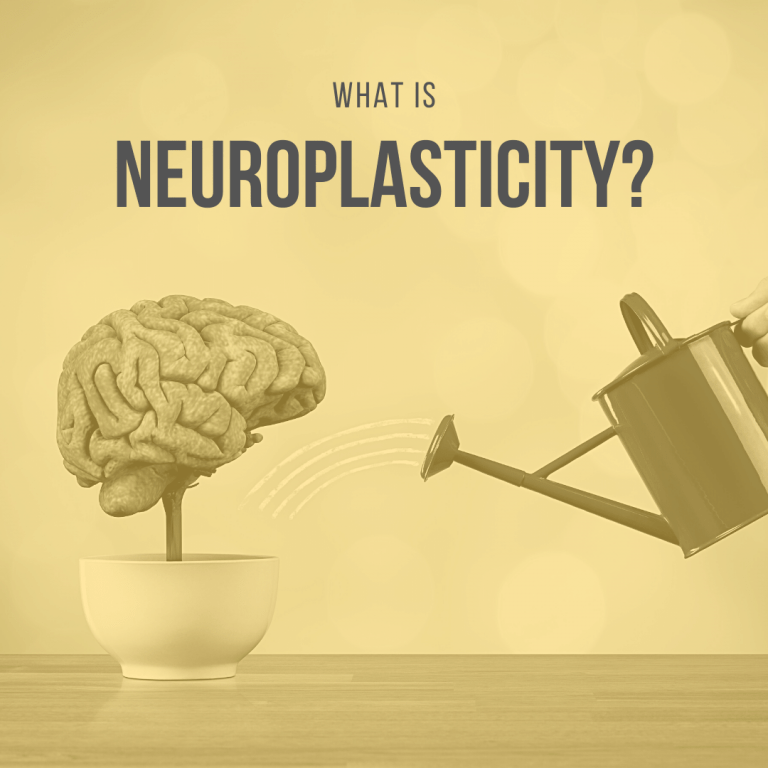
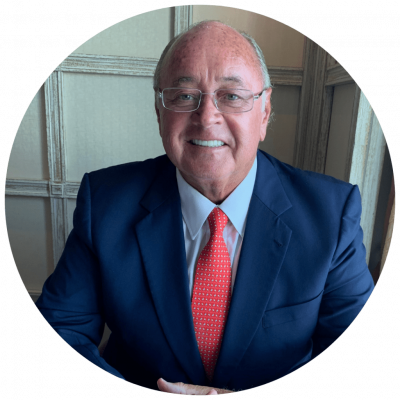
“One of the most important principles I took from my Functional Neurology training is that the brain is not static. Neuroplasticity gives us an opportunity to challenge and support neurological function throughout life.” – Dr. Glenn
SUPPORTING LONG-TERM COGNITIVE HEALTH
Maintaining Cognitive Health for Life
Cognitive Reserve Building:
- Exercises that strengthen brain resilience
- Activities that build cognitive backup systems
- Protocols that prevent age-related decline
- Maintenance programs for long-term brain health
Early Intervention Benefits:
- Prevent mild problems from becoming severe
- Maintain cognitive function during aging
- Build resistance to future brain challenges
- Optimize brain performance at any age
The Carroll Institute’s Maintenance Programs:
- Ongoing functional neurology assessments
- Updated exercise protocols as needs change
- Preventive interventions for high-risk individuals
- Family education for cognitive health support
THE CARRICK INSTITUTE LEGACY
Founded by the Pioneer of Functional Neurology
Dr. Ted Carrick: The Father of Functional Neurology
Dr. Ted Carrick pioneered functional neurology and revolutionized our understanding of how the brain works and heals.
Dr. Glenn completed extensive postgraduate Functional Neurology training through the Carrick Institute in the 1990s, receiving his diploma in 1996. This training in neurological function and neuroplasticity became an important foundation for the approach he later developed for patients experiencing cognitive decline. It is the bedrock of The Carroll Cognitive Method™.
Experience the Functional Neurology Difference
Discover how The Carroll Institute integrates Functional Neurology, Functional Medicine, precision testing, and individualized cognitive rehabilitation into a comprehensive approach to cognitive health.
Your brain has remarkable healing potential – let us show you how to unlock it.
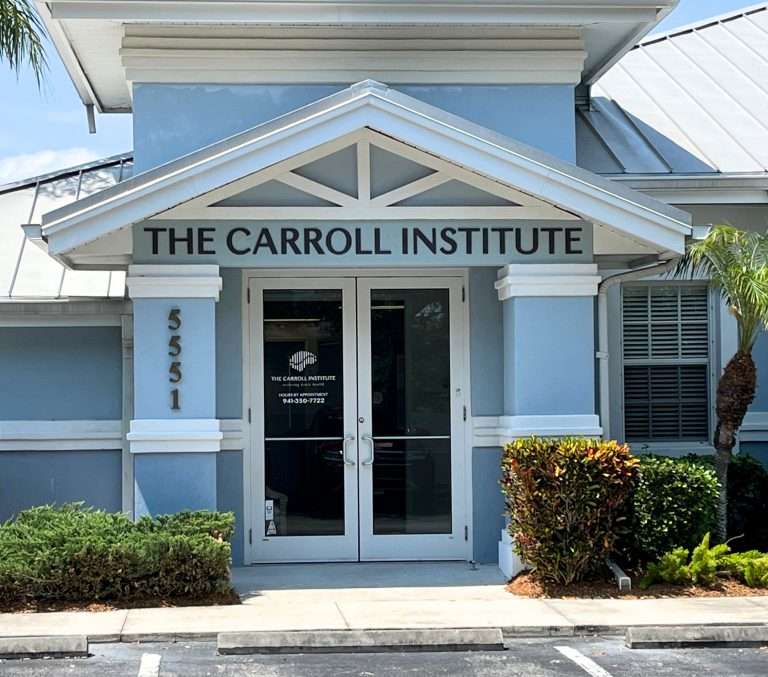
WHY CHOOSE THE CARROLL INSTITUTE
At The Carroll Institute, we take an individualized approach to cognitive decline by integrating Functional Medicine, Functional Neurology, precision testing, and targeted cognitive rehabilitation.
Our evaluation may include cognitive testing, advanced laboratory testing, imaging, genetic information, and neurological assessment to help identify potential contributors to cognitive decline and areas of function that deserve attention.
Dr. Glenn brings more than 40 years of clinical experience, extensive postgraduate training in Functional Neurology and Functional Medicine, and certification in the ReCODE approach to cognitive decline.
Our objective is straightforward: identify what may be contributing to declining cognitive function, develop an individualized plan, measure progress objectively, and adjust the approach based on each patient’s response.
Dale Bredesen recode program
– schedule now –
To help you get started, we offer a free 20-minute Discovery Phone Consultation. During this call, you will be able to talk with one of our Certified Brain Health Coaches about what going on with you or your loved one and find out if we can help. Please review our FAQs prior to scheduling your free call. We look forward to talking with you soon and helping you Save Your Brain.
(yes, it’s totally free!)