Can Lost Brain Pathways Be Rebuilt?
Understanding Neuroplasticity, Brain Rehabilitation, and the Brain’s Capacity for Change
One of the most common fears people have when they begin experiencing memory loss, brain fog, or cognitive decline is this: “Is the damage permanent?”
The answer is more nuanced—and more hopeful—than many people realize. One of the most important discoveries in neuroscience is neuroplasticity, the brain’s ability to adapt, strengthen, reorganize, and develop new connections throughout life.
While not every form of cognitive impairment can be completely reversed, many people retain meaningful capacity for improvement, adaptation, and rehabilitation.
At The Carroll Institute, we believe cognitive medicine often makes one major mistake: it assumes that identifying the causes of decline automatically restores function.
Through the Carroll Cognitive Method™, we combine Precision Medicine, Functional Medicine, and Functional Neurology to address both the factors affecting the brain and the brain’s ability to rebuild and strengthen critical pathways.
Ultimately, the goal is not simply to slow decline. The goal is to help the brain perform better.
Key Points
- The brain is not static; it continues to change throughout life.
- Neuroplasticity allows neural pathways to strengthen, adapt, and reorganize.
- Structural damage and functional dysfunction are not always the same thing.
- Many cognitive symptoms may involve underperforming networks rather than permanently lost function.
- Precision Medicine helps identify factors affecting brain health.
- Functional Neurology helps evaluate and strengthen brain performance.
- The Carroll Cognitive Method™ combines both approaches because biology and function matter.
Why This Question Matters
Most patients do not ask this question directly. Instead, they ask versions of it: “Will I ever get my memory back?” “Can my brain recover?” “Is it too late?” “Am I just going to keep getting worse?”
Behind those questions is a deeper concern. People are not only afraid of losing memory. They are afraid of losing independence, identity, confidence, and the ability to participate fully in life.
For decades, many patients heard that cognitive decline was largely inevitable and that little could be done beyond managing symptoms. However, that conversation is changing. Not because anyone has discovered a miracle cure, but because we understand far more about how the brain works than we did even a decade ago.
The Brain Is Not A Static Organ
For much of modern medical history, scientists believed the adult brain was relatively fixed. The assumption was straightforward: once brain cells were damaged or lost, little could be done.
Modern neuroscience tells a more dynamic story. Throughout life, the brain changes in response to learning, repetition, movement, sensory input, environment, focused attention, challenge, and new experiences.
For example, every time you learn a new skill, your brain changes. Every time you practice a task, neural pathways strengthen. As you acquire new information, networks reorganize. This process is called neuroplasticity, and it is one of the most important discoveries in modern neuroscience.
What Is A Brain Pathway?
Your brain functions through networks. Billions of neurons communicate through trillions of connections, and those networks support memory, attention, language, balance, processing speed, decision-making, emotional regulation, and executive function.
When you recognize a face, remember a name, solve a problem, or carry on a conversation, multiple brain networks work together. These pathways are not static. Like muscles, they can strengthen when used effectively and weaken when disrupted.
As networks become less efficient, symptoms may appear. A person may notice forgetfulness, word-finding difficulty, brain fog, slowed thinking, reduced concentration, or mental fatigue. Many people assume these symptoms automatically mean permanent damage. Often, that assumption is incorrect.
The Difference Between Damage And Dysfunction
One of the most important concepts we teach patients is the distinction between structural damage and functional dysfunction.
Structural damage involves physical injury to brain tissue, such as a major stroke, severe traumatic brain injury, or advanced neurodegenerative disease. In contrast, functional dysfunction means brain networks may be underperforming even though they still retain some capacity for improvement.
Imagine a highly skilled orchestra. If the musicians feel exhausted, poorly coordinated, distracted, and unable to hear one another, the performance suffers. That does not mean the musicians have disappeared. It means the system is not functioning optimally.
The brain often behaves in a similar way. Therefore, many patients still have networks that can perform better once clinicians identify the obstacles and introduce targeted rehabilitation.
What The Science Of Neuroplasticity Tells Us
Neuroplasticity is no longer a theoretical concept. It is well-established science, and we see evidence of it in many areas of rehabilitation and learning.
For instance, many stroke survivors regain abilities that once seemed lost because other regions of the brain learn to compensate and adapt. Similarly, people recovering from concussions or traumatic brain injuries may improve as networks reorganize over time.
The same principle appears in everyday life. Adults can learn new languages, musical instruments, movement patterns, and complex technical skills well into later life. Each of these abilities requires the brain to form and strengthen neural pathways.
Cognitive rehabilitation applies those same principles in a more targeted way. Instead of assuming the brain is fixed, rehabilitation asks how specific networks can be stimulated, challenged, and strengthened over time.
Why Identifying Root Causes Is Not Enough
The EVANTHEA Study reinforced the importance of addressing multiple contributors to cognitive decline through a Precision Medicine framework. Researchers evaluated factors such as inflammation, insulin resistance, sleep disorders, hormonal imbalances, nutrient deficiencies, toxin exposure, and physical inactivity.
These contributors matter. In fact, they are foundational. At The Carroll Institute, we strongly support identifying and addressing the factors that may be affecting brain health.
However, another question matters just as much: What happens after the biology improves?
Many patients tell us, “My labs look better,” “I’m sleeping better,” or “I have more energy.” Then they add, “I still don’t feel as sharp as I used to.” At that point, Functional Neurology becomes critically important.
How Functional Neurology Helps Rebuild Brain Function
Functional Neurology focuses on performance. It does not ask only, “Why is the brain struggling?” It also asks, “How can we help it function better?”
Through detailed assessments, we evaluate areas such as eye movements, balance, coordination, processing speed, cognitive performance, attention, sensory integration, and overall neurological function. These assessments reveal areas of relative weakness.
Once clinicians identify those areas, they can use individualized rehabilitation strategies to stimulate specific networks. These may include cognitive training, eye-movement exercises, balance training, sensory stimulation, attention exercises, or coordination challenges.
In other words, the objective is not simply to “exercise the brain” in a generic way. The objective is to provide targeted stimulation that encourages adaptation and strengthening through neuroplasticity.
Why Repetition Matters
Think about learning to play the piano. Nobody becomes skilled by practicing once. Instead, the brain changes through repetition. Every repetition sends a signal, and over time, pathways become stronger, more efficient, and more automatic.
The same principle applies to cognitive rehabilitation. The brain responds to frequency, consistency, challenge, and specificity. Generic mental stimulation may help, but targeted exercises designed around an individual’s needs are often more meaningful.
The Carroll Cognitive Method™ Perspective
At The Carroll Institute, we believe many patients need two things at the same time. First, we must identify and address factors affecting brain health, such as inflammation, insulin resistance, sleep disorders, hormonal imbalances, nutritional deficiencies, toxins, and vascular issues. This is where Precision Medicine and Functional Medicine play essential roles.
Second, we must help the brain perform better. This is where Functional Neurology becomes critical.
The Carroll Cognitive Method™ combines these disciplines because we believe both questions matter: Why is the brain struggling? and How can we help it function better? When care addresses only one side of that equation, it may leave important opportunities on the table.
Who Should Consider Evaluation?
You may benefit from a comprehensive evaluation if you have Mild Cognitive Impairment (MCI), early Alzheimer’s disease, brain fog, memory changes, difficulty concentrating, or a sense that you are less mentally sharp than before. In addition, evaluation may help if you have already addressed some root causes but continue experiencing symptoms, or if you want a deeper understanding of your cognitive health.
Many patients discover opportunities for improvement they never knew existed.
Risks, Limitations & Realistic Expectations
It is important to maintain realistic expectations. Improvement is not the same thing as perfection, and the goal is not to promise miraculous outcomes. Instead, the goal is to maximize the brain’s capacity for adaptation, resilience, and function.
Some patients experience significant improvements. Others experience more modest gains. Because every brain and every patient is different, individual outcomes vary. No specific result can be guaranteed.
Next Steps
One of the most damaging myths in cognitive medicine is the belief that once a pathway is lost, nothing can be done. Modern neuroscience tells a different story: the brain is dynamic, adaptable, and capable of change. At The Carroll Institute, we use the Carroll Cognitive Method™ to address both biology and function through Precision Medicine, Functional Medicine, and Functional Neurology. If you are in Sarasota, the Gulf Coast region, or looking for a deeper evaluation of memory loss, brain fog, or cognitive performance, Book a discovery call to see if this is a fit for you. Or learn more about our Carroll Cognitive Method™ and ReCODE program.
Sources & Citations
- EVANTHEA Precision Medicine Trial – Preprints.org
- ReCODE-Based Precision Medicine Framework – The Carroll Institute
- The Carroll Institute Precision Medicine Program Overview – The Carroll Institute
- Brain Health And Cognitive Decline Resources – National Institute on Aging
- Alzheimer’s Disease And Mild Cognitive Impairment Information – Alzheimer’s Association
Medically reviewed by Dr. Garland Glenn, DC, PhD, AFMC
Last updated: June 7, 2026
This content is for educational purposes and does not substitute personalized medical advice.
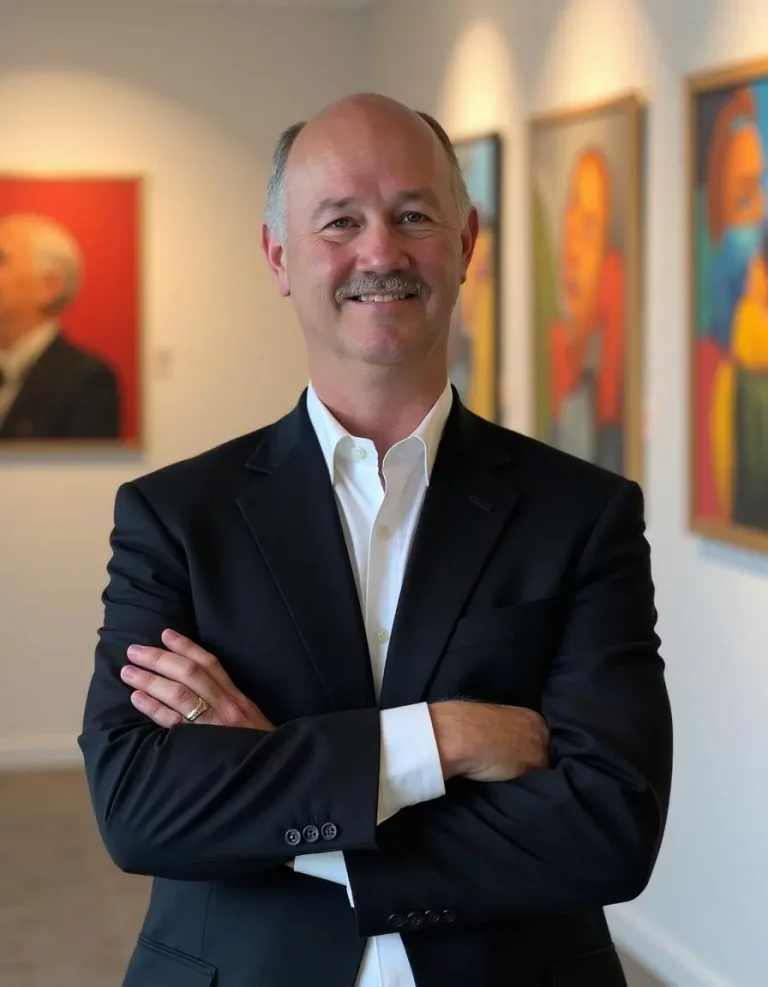
Dr. Garland Glenn, DC, PhD, IFM, AFMC
Founder & Clinical Director, The Carroll Institute — Sarasota, FL
Dr. Garland Glenn is a board-certified chiropractic physician and functional medicine practitioner specializing in cognitive health, neurodegeneration, and root-cause medicine. Certified as an AFMC (Advanced Functional Medicine Clinician) and Institute for Functional Medicine (IFM) trained, he has also completed over 500 hours of advanced training in Functional Neurology under Dr. Ted Carrick, founder of the Carrick Institute.
At The Carroll Institute, Dr. Glenn leads Sarasota’s only ReCODE-certified Functional Neurology program, helping patients reverse or prevent cognitive decline through the Bredesen ReCODE Protocol, neuroplasticity exercises, and personalized functional medicine care.
Learn more about his background and approach at About Dr. Garland Glenn.
– schedule now –
free discovery call
To help you get started, we offer a free 20-minute Discovery Phone Consultation. During this call, you will be able to talk with one of our Certified Brain Health Coaches about what going on with you or your loved one and find out if we can help. Please review our FAQs prior to scheduling your free call. We look forward to talking with you soon and helping you Save Your Brain.
(yes, it’s totally free!)
ReCODE® is a registered program developed by Dr. Dale Bredesen and licensed through Apollo Health. Dr. Garland Glenn is a certified ReCODE practitioner.