Category: Alzheimer’s & Dementia Articles

Can Mild Cognitive Impairment Be Reversed? | Carroll Institute

Can Mild Cognitive Impairment Be Reversed?

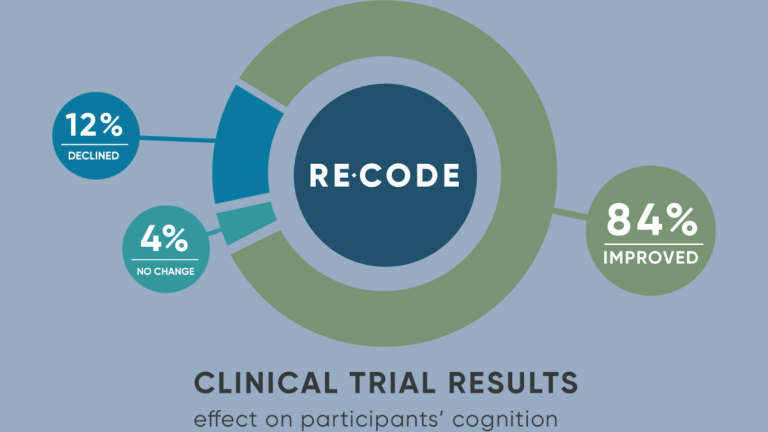
Emerging research, including the EVANTHEA Precision Medicine Study, suggests that cognitive decline may not always be a one-way street. In the EVANTHEA study, participants demonstrated improvements in cognitive measures over the course of the study rather than simply experiencing a slower rate of decline
Read The Post
What Causes Mild Cognitive Impairment (MCI)? | Carroll Institute

What Causes Mild Cognitive Impairment (MCI)?

At the Carroll Institute, we believe that cognitive decline is often influenced by multiple biological and neurological factors occurring simultaneously. These may include inflammation, insulin resistance, sleep disorders, vascular dysfunction, hormonal imbalances, nutritional deficiencies, environmental toxins, and changes in brain network function.

The diagnosis tells us there is a problem.

The real work begins when we identify what is causing it.

Read The Post
Why many experts now believe cognitive decline is driven by multiple interconnected systems rather than a single biological target.

Is Alzheimer’s Disease a Drug Deficiency or a Systems Breakdown?

Is Alzheimer’s disease simply a drug deficiency, or does it reflect a systems breakdown in the brain? For decades, research focused on finding a single molecule to target, but results have fallen short. At The Carroll Institute, we believe that understanding the interconnected systems of metabolism, inflammation, sleep, and more is crucial. When multiple systems struggle, cognitive decline can occur. This comprehensive approach offers hope for patients and families, revealing that there may be many opportunities for intervention. Discover how a systems-based evaluation can change the conversation around Alzheimer’s disease and cognitive health.

Read The Post
Is Alzheimer's Disease Really Caused by Amyloid Plaque? | The Carroll Institute

Is Alzheimer’s Disease Really Caused by Amyloid Plaque?

Drugs like lecanemab and donanemab successfully remove amyloid from the brain, yet they do not restore lost memory or reverse Alzheimer’s disease. Patients generally continue to decline, although at a somewhat slower rate.

That raises an important question:

If amyloid is truly the primary cause of Alzheimer’s disease, why doesn’t removing it produce dramatically greater improvement?

At the Carroll Institute, we believe amyloid may be part of the story, but not the whole story. The brain is influenced by inflammation, metabolism, sleep, hormones, toxins, vascular health, and neural network function.

Read The Post
Why Isn't There a Successful Alzheimer's Drug

Why Isn’t There a Successful Drug for Alzheimer’s Disease?

After decades of Alzheimer’s research and billions of dollars in funding, many families still ask the same question: Why don’t we have a meaningful cure?

One reason may be that much of Alzheimer’s research focused heavily on a single target—amyloid plaque. While reducing amyloid has produced important scientific insights, the real-world improvements often fell short of what patients and families hoped for.

Read The Post
Understanding neuroplasticity, cognitive rehabilitation, and the brain's remarkable capacity for change.

Can Lost Brain Pathways Be Rebuilt?

The brain has an incredible ability called neuroplasticity. Neuroplasticity allows the brain to adapt, reorganize, and strengthen neural pathways throughout life. We see this in stroke recovery, concussion rehabilitation, learning new skills, and cognitive training.

At the Carroll Institute, we believe identifying the causes of cognitive decline is only part of the solution. That’s why the Carroll Cognitive Method™ combines Precision Medicine, Functional Medicine, and Functional Neurology.

Read The Post
Why Does the Carroll Cognitive Method™ Combine Functional Medicine and Functional Neurology?

Why Does the Carroll Cognitive Method™ Combine Functional Medicine and Functional Neurology?

Functional Medicine and Precision Medicine help us identify and address the factors contributing to cognitive decline, such as inflammation, insulin resistance, hormone imbalances, sleep disorders, nutrient deficiencies, toxins, and vascular dysfunction.

Functional Neurology focuses on something equally important: evaluating how well the brain is actually functioning and helping strengthen weakened neural pathways through targeted rehabilitation.

The Carroll Cognitive Method™ combines these approaches because addressing root causes and rebuilding function are complementary goals. We believe patients deserve both.

Read The Post

Welcome

At The Carroll Institute we focus on uncovering the Root Causes of Cognitive Decline (including Alzheimer’s Disease) and then create personalized treatment plans for each individual. Recognized as a leader in the field of the effects of neurodegeneration on brain function, Dr. Glenn is driven by the concept that chronic diseases as we know them, specifically Cognitive Decline and Alzheimer’s Disease are not only preventable but reversible.