Can Sleep Apnea Cause Memory Loss?
Yes. Sleep apnea can contribute to memory loss, brain fog, Mild Cognitive Impairment (MCI), and even Alzheimer’s disease. In fact, many researchers now recognize that poor sleep and disrupted breathing during sleep may be among the most overlooked contributors to cognitive decline.
At the Carroll Institute in Sarasota, Florida, we believe that one of the most important questions in cognitive medicine is not simply, “What diagnosis does this person have?”
The better question is:
Why is this brain struggling?
For some patients, the answer involves sleep.
Why Sleep Matters for Brain Health
Sleep is not simply a time when the body rests. Instead, sleep is one of the most active periods for the brain.
During deep sleep, the brain repairs cells, consolidates memories, regulates hormones, supports immune function, and removes metabolic waste products.
Consequently, chronic sleep disruption may affect memory, concentration, mood, processing speed, and overall cognitive performance.
Unfortunately, millions of people suffer from sleep apnea without realizing it.
What Is Sleep Apnea?
Sleep apnea is a condition in which breathing repeatedly stops and starts during sleep.
These interruptions may occur dozens or even hundreds of times per night. Although the person may not remember waking up, the brain recognizes the lack of oxygen and repeatedly shifts out of deeper stages of sleep.
As a result, the brain loses many of the restorative benefits that healthy sleep provides.
How Sleep Apnea Affects Memory
The brain requires oxygen and restorative sleep to function properly.
When sleep apnea disrupts breathing, oxygen levels may drop. In addition, fragmented sleep prevents the brain from performing many of its essential maintenance functions.
Over time, this combination may affect:
- Short-term memory
- Concentration
- Attention span
- Processing speed
- Mental clarity
- Mood regulation
- Executive function
- Learning ability
Consequently, untreated sleep apnea may mimic dementia or worsen existing cognitive decline.
Sleep Apnea and Alzheimer's Disease
Increasing evidence suggests that poor sleep and sleep apnea may influence Alzheimer's disease and neurodegeneration.
Researchers believe deep sleep helps the brain clear waste products through the glymphatic system. This process appears to play an important role in maintaining brain health.
When sleep becomes fragmented, those processes may become less efficient. Consequently, inflammation, oxidative stress, and impaired waste clearance may contribute to cognitive decline.
This does not mean sleep apnea causes every case of Alzheimer's disease. However, it does mean that sleep deserves serious attention.
Sleep Apnea Is Frequently Missed
Many patients with sleep apnea do not realize they have it.
Common symptoms may include:
- Loud snoring
- Excessive daytime fatigue
- Morning headaches
- Brain fog
- Difficulty concentrating
- Poor memory
- Frequent nighttime awakenings
- Witnessed pauses in breathing
- Irritability or mood changes
Unfortunately, many people assume these symptoms are simply part of aging.
They are not.
Why Treating Sleep Apnea Matters
The encouraging news is that sleep apnea is often treatable.
Because treatment can improve oxygen delivery and sleep quality, some patients experience better energy, improved concentration, and sharper thinking after addressing sleep apnea.
That does not mean every case of memory loss will reverse. However, identifying sleep apnea may remove one major barrier preventing the brain from functioning at its best.
What the EVANTHEA Study Supports
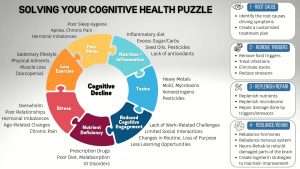
The EVANTHEA Precision Medicine Trial addressed multiple contributors to cognitive decline simultaneously.
Sleep optimization was one important component.
This systems-based approach recognizes that Alzheimer's disease and MCI are rarely caused by one factor alone.
Therefore, improving sleep may become a critical part of improving brain health.
The Carroll Cognitive Method™ Perspective
At the Carroll Institute, we believe sleep is too important to ignore.
The Carroll Cognitive Method™ combines:
- Precision Medicine to identify contributors affecting brain health
- Functional Medicine to address root causes
- Functional Neurology to rehabilitate brain networks and support neuroplasticity
Rather than simply asking what diagnosis a person has, we ask:
What factors are preventing this brain from functioning optimally?
For many patients, sleep apnea deserves a place near the top of that list.
Hope Without False Promises
Can sleep apnea cause memory loss?
Yes, it can.
More importantly, sleep apnea is often treatable.
That means identifying sleep problems may create opportunities to support memory and brain health.
At the Carroll Institute, we believe patients deserve more than a label. They deserve a search for answers.
Next Steps
If you or someone you love has memory loss, brain fog, snoring, daytime fatigue, Mild Cognitive Impairment, or Alzheimer's disease, we encourage you to schedule a discovery phone call with the Carroll Institute.
Together, we can explore whether the Carroll Cognitive Method™ may be appropriate for your situation.

Dr. Garland Glenn, DC, PhD, IFM, AFMC
Founder & Clinical Director, The Carroll Institute — Sarasota, FL
Dr. Garland Glenn is a board-certified chiropractic physician and functional medicine practitioner specializing in cognitive health, neurodegeneration, and root-cause medicine. Certified as an AFMC (Advanced Functional Medicine Clinician) and Institute for Functional Medicine (IFM) trained. He has also completed over 500 hours of advanced training in Functional Neurology under Dr. Ted Carrick, founder of the Carrick Institute.
At The Carroll Institute, Dr. Glenn leads Sarasota’s only ReCODE-certified Functional Neurology program, helping patients reverse or prevent cognitive decline through the Bredesen ReCODE Protocol, neuroplasticity exercises, and personalized functional medicine care.
Learn more about his background and approach at About Dr. Garland Glenn.
– schedule now –
free discovery call
To help you get started, we offer a free 20-minute Discovery Phone Consultation. During this call, you will be able to talk with one of our Certified Brain Health Coaches about what going on with you or your loved one and find out if we can help. Please review our FAQs prior to scheduling your free call. We look forward to talking with you soon and helping you Save Your Brain.
(yes, it’s totally free!)
ReCODE® is a registered program developed by Dr. Dale Bredesen and licensed through Apollo Health. Dr. Garland Glenn is a certified ReCODE practitioner.